


Caring for Your Senior Dog’s Joints: Eddie’s Journey with Dasuquin

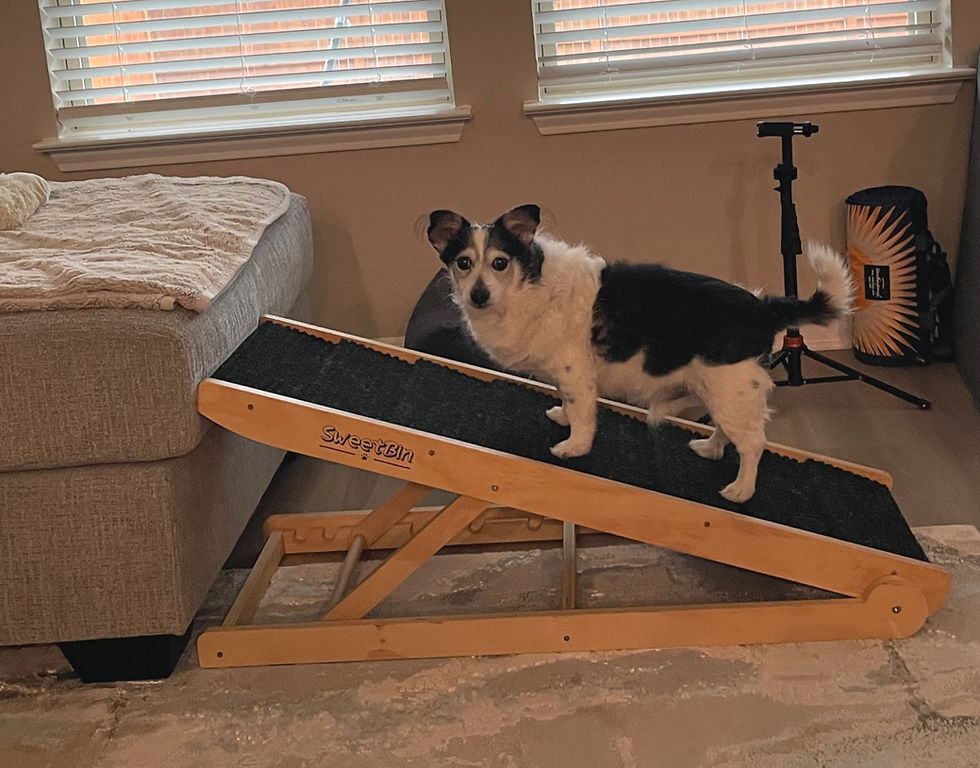
Caring for your senior dog’s joints is crucial. It supports their comfort, mobility, and overall quality of life as they age. Let me share my experience with Eddie, my beloved dog, and how joint care made a difference for him.
Eddie’s Senior Joint Care Journey
When Eddie joined my family, he was six years old. In his first year with me, he strained his neck—probably from playing too hard. Our veterinarian recommended Dasuquin, and I noticed a big change in just a few days. Eddie was moving more comfortably and seemed like his old self again.
To help prevent any further strain, I switched Eddie to elevated food and water bowls. This way, he wouldn’t have to bend his neck down while eating or drinking. The combination of the joint supplement and the bowls made a noticeable difference.
Eddie took Dasuquin daily for six weeks before transitioning to a maintenance dose every other day. After completing the prescription, our vet suggested continuing with the over-the-counter Dasuquin for long-term joint health.
How Joint Supplements Help Senior Dogs
Joint supplements are essential for supporting mobility in senior dogs. They work by:
Reducing inflammation
Supporting new cartilage formation
Lubricating joints
Helping reduce pain and stiffness
I did a lot of research before committing to a long-term solution. I found a helpful comparison article from PetMD by Chewy. This article helped me decide on Dasuquin with MSM Hip & Joint Chews.
Key Ingredients in Joint Supplements
Most quality joint supplements contain glucosamine and chondroitin:
Glucosamine helps form new cartilage and protects existing cartilage in the joints.
Chondroitin lubricates joints, nourishes connective tissues, and absorbs shock.
Together, these ingredients reduce inflammation and slow cartilage breakdown. They are generally safe for long-term use when recommended by your veterinarian.
What Makes Dasuquin Different
Dasuquin stands out because it includes:
Avocado–Soybean Unsaponifiables (ASUs): These work with glucosamine and chondroitin to reduce inflammation and support joint healing.
Omega-3 fatty acids: These support joint health, skin, heart, brain, and immune function.
Methylsulfonylmethane (MSM): This helps reduce inflammation and supports cellular health.
Boswellia serrata extract: A natural anti-inflammatory.
Hyaluronic acid (HA): This helps lubricate joints and improve mobility.
Eddie Today
Now, at 12 years old, Eddie is a bit sleepier than before, but he still moves with agility. He can even get a little air in his hops and jumps! Each morning, I break apart a Dasuquin chew and sprinkle it over his food. He’s not a fan of eating it whole, but this method works perfectly for us.
There are also cats. A close friend of mine has a cat over 20 years old who has been taking Dasuquin for years and is still impressively spry.

Additional Ways to Support Senior Dog Joint Health
Supporting your senior dog's joint health goes beyond supplements. Here are some additional tips:
Maintain a Healthy Weight
Extra weight puts unnecessary pressure on joints. It can accelerate arthritis and mobility issues. Keeping your dog at a healthy weight is essential for their joint health.
Use Ramps
Ramps can help dogs avoid jumping on and off furniture or into cars. This reduces joint strain and lowers the risk of injury.
Elevate Food and Water Bowls
Elevating food and water bowls helps reduce neck and joint strain, especially for dogs with arthritis or previous injuries. It’s a simple change that can make a big difference.
Consider Acupuncture
Acupuncture can reduce pain and inflammation.
Cold Laser Therapy
Cold laser therapy helps with inflammation, reduces pain, and improves mobility. Here are some Los Angeles veterinarian offices that offer this treatment:
Frequently Asked Questions
What are the best joint supplements for senior dogs?
Many veterinarians recommend joint supplements containing glucosamine, chondroitin, MSM, omega-3 fatty acids, or green-lipped mussel to help support mobility and joint health in aging dogs. Supplements like Dasuquin, Cosequin, and fish oil products are commonly used for dogs with arthritis or stiffness.
When should I start giving my dog joint supplements?
It’s often beneficial to start joint support before severe arthritis develops — especially for large breeds, active dogs, or seniors. Some pet parents begin supplements during middle age as preventative support.
Do elevated food and water bowls help senior dogs?
Elevated bowls may help reduce strain on the neck, shoulders, and joints for some senior dogs, especially larger breeds or dogs with arthritis. However, bowl height should be appropriate for your dog’s size and comfort.
Are ramps better than stairs for older dogs?
Yes — ramps can help reduce impact on aging joints and make it easier for senior dogs to access beds, couches, cars, or outdoor spaces safely. They are especially helpful for dogs with arthritis, mobility issues, IVDD, or recovering from injuries.
How can I tell if my senior dog has joint pain?
Signs of joint pain in dogs can include:
Difficulty standing up
Slower walks
Hesitation jumping on furniture or into cars
Stiffness after resting
Limping
Slipping on floors
Decreased activity or playfulness
If you notice these symptoms, it’s a good idea to discuss them with your veterinarian.
What flooring is best for senior dogs with mobility issues?
Non-slip rugs, yoga mats, runners, and traction pads can help senior dogs maintain stability on slippery floors like tile or hardwood. Better traction can help prevent falls and reduce anxiety while walking indoors.
Can weight management help senior dogs’ joints?
Absolutely. Maintaining a healthy weight is one of the most important ways to reduce stress on joints and improve mobility in senior dogs. Even small amounts of weight loss can make a noticeable difference.
Are orthopedic dog beds worth it for older dogs?
Orthopedic memory foam beds can provide extra support and cushioning for aging joints, helping senior dogs rest more comfortably and potentially reducing stiffness after sleep.
What are signs my dog may need a mobility aid?
If your dog struggles with stairs, getting into vehicles, standing up, or walking long distances, mobility aids like ramps, support harnesses, toe grips, or orthopedic bedding may improve their comfort and quality of life.
Can diet help support senior dog joint health?
Yes. Diets rich in omega-3 fatty acids, high-quality protein, and joint-support ingredients may help support mobility and reduce inflammation. Some senior dog foods also include glucosamine and chondroitin for added joint support.
Should I still exercise my senior dog?
Yes — regular, low-impact exercise is important for maintaining muscle strength and joint mobility. Short walks, swimming, gentle play, and controlled activity are usually better than intense exercise for aging dogs.
What should I avoid with a senior dog who has arthritis?
Try to avoid:
Excessive jumping
Slippery flooring
High-impact exercise
Excess weight gain
Long periods of inactivity
Simple home modifications can make a big difference in your dog’s comfort and mobility.
Important Disclaimer
This article is not medical advice. Always consult your veterinarian before starting or changing joint supplements or mobility aids to determine what’s best for your dog’s specific needs.


Comments